If you’ve watched the Wasatch Mountains disappear behind a gray haze on a calm January day, you’ve seen a Utah inversion. An inversion forms when warm air settles over the valleys like a lid, trapping cold air and pollution near the ground until a storm moves through and clears it out.
The haze doesn’t stay outside. Fine particles slip in through small gaps around your home and settle as dust on every surface. On bad air quality days, when the windows stay shut, that dust has no way out and keeps drifting back into the air you breathe.
In this guide, we’ll explain what causes inversion season and how outdoor pollution affects indoor air quality at home. Then we’ll cover the cleaning habits that keep your space fresher until the skies clear, plus when a professional deep clean makes sense before the worst weeks arrive.
What causes a Utah inversion?
Normally, air near the ground is warmer than the air above it, so it rises and mixes. During an inversion, cold air sits on the valley floor under a layer of warmer air, and pollution from cars, wood burning, and industry has nowhere to go.
The Utah Department of Environmental Quality explains that inversions often follow a snowstorm. Snow cover, calm winds, and long nights hold the cold air in place, and the surrounding mountains form a bowl that keeps it there. That’s why a Salt Lake City inversion hangs on for days.
The agency reports that a typical Utah winter brings five to six multi-day inversion episodes and about 18 days when fine particle pollution (PM2.5) climbs above the federal health standard.
How outdoor air affects indoor air quality at home
Closing the front door doesn’t seal out an inversion. The EPA notes that outdoor and indoor air are constantly mixing, and particles from outside travel in through doors, windows, and small cracks in walls and foundations.
Once those particles settle, they become household dust. Every time you sweep or vacuum, some of it lifts back into the air.
Your home adds its own particles, too. Cooking releases them, and the EPA notes that some pine- and citrus-scented cleaners can react with ozone indoors to form more. Normally, open windows help clear them out. During an inversion, they stay trapped inside as dust drifts in.
How to reduce dust in your home during inversion season
The best way to reduce dust in your home during an inversion is to keep particles out, trap the ones that get in, and avoid stirring them back up.
1. Check the forecast and keep windows closed
Utah DEQ posts daily forecasts and action alerts through the free UtahAir app. When the forecast shows unhealthy air, keep windows and doors shut until a clearer day.
2. Dust with a damp cloth
A dry duster scatters fine particles, while a damp microfiber cloth holds them. Work from top to bottom: ceiling fans and shelves first, baseboards last.
3. Vacuum with a HEPA filter
Vacuum carpets, rugs, and upholstered furniture at least once a week. A HEPA filter keeps more of the collected dust from escaping back into the room.
4. Upgrade and change your furnace filter
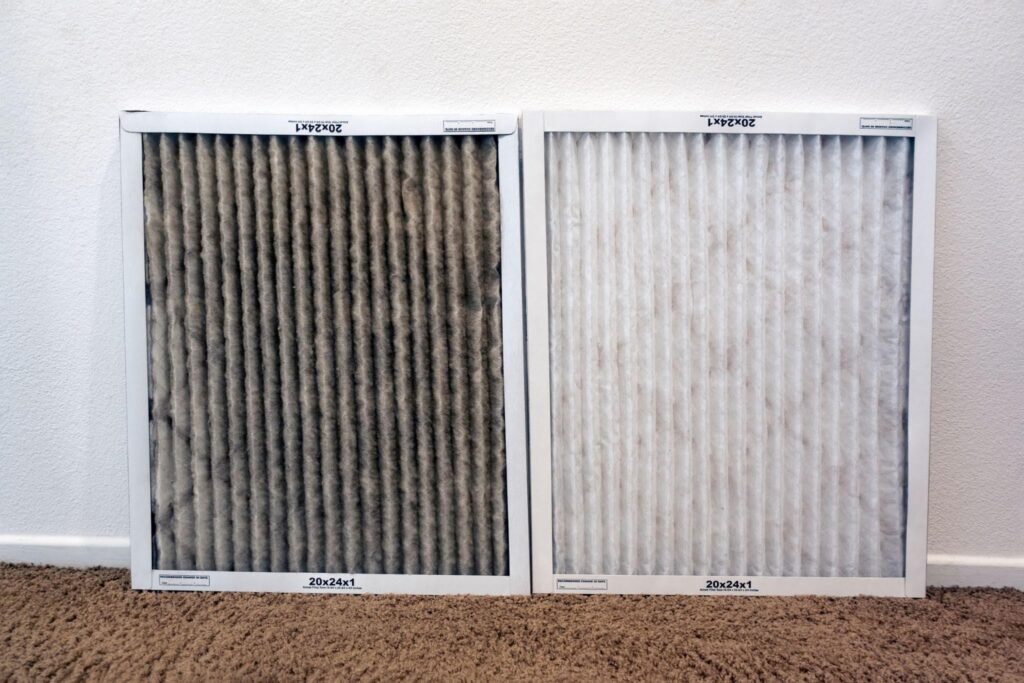
Your furnace runs nearly nonstop in winter, so its filter works hard. Choose one rated MERV 13 or as high as your system allows, and change it on schedule. While you’re at it, wipe down vent covers and return grilles.
5. Cut back on indoor sources
Skip candles and wood fires on bad air days, run your range hood when you cook, and choose unscented cleaning products.
6. Set up one clean room
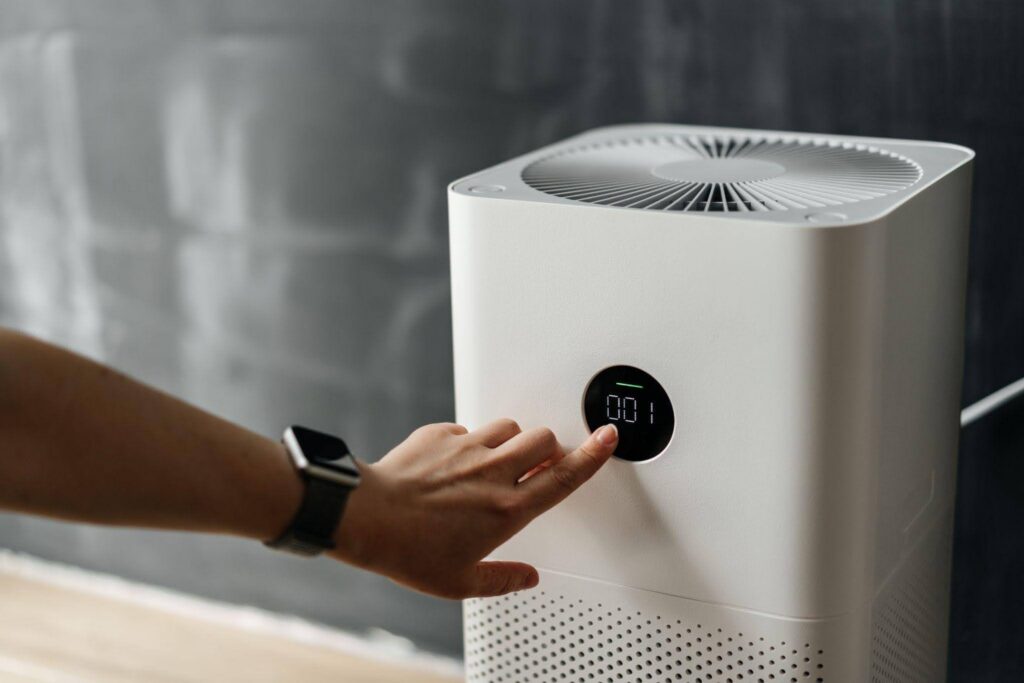
The EPA’s clean room approach was designed for wildfire smoke, but it translates well to a long inversion. Pick one room, usually a bedroom, keep it closed, and run a portable air cleaner sized for the space.
The EPA’s guide to air cleaners in the home notes that air cleaners reduce indoor pollution but can’t remove all of it, so keep that room dusted, too.
Inversion day indoor air checklist
- ☐ Check the day’s air quality forecast
- ☐ Keep windows and doors closed
- ☐ Leave shoes and wet boots at the door
- ☐ Dust surfaces with a damp microfiber cloth
- ☐ Vacuum carpets and rugs with a HEPA vacuum
- ☐ Check the furnace filter and wipe vent covers
- ☐ Skip candles, incense, and wood fires
- ☐ Run the range hood while cooking
- ☐ Keep the clean room door closed
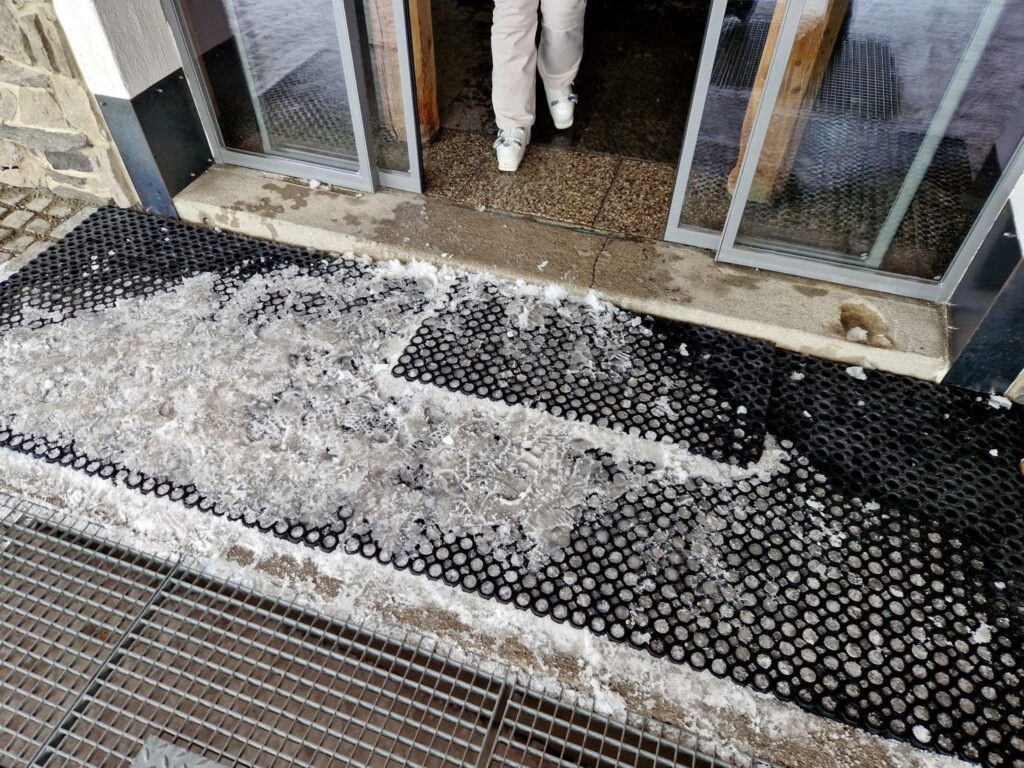
Local Utah tip: Along the Wasatch Front, inversions often follow a snowstorm, so slush and road salt come home on every pair of boots. Once that residue dries, it turns into fine grit. A sturdy mat outside, a boot tray inside, and a quick damp mop of the entryway each evening keep it from spreading.
When to bring in professional help
Keeping a regular cleaning routine protects your indoor air better than one big scrub in February. If weekly dusting and vacuuming feel like too much to fit into a full winter schedule, help is available.
Bella’s Cleaning Club offers recurring residential cleaning across the Wasatch Front, so baseboards, vents, and high-touch surfaces stay on schedule all season.
Offices face the same challenge; professional commercial cleaning keeps desks, vents, and shared spaces from collecting winter grime.
Frequently asked questions
What is a Salt Lake City inversion?
A Salt Lake City inversion is a Utah inversion centered on the Salt Lake Valley. Warm air caps the valley, trapping cold air and pollution near the ground until a strong storm clears it out.
How do you improve indoor air quality at home?
Start by keeping outdoor particles out and trapping the ones already inside. Keep windows closed on bad air days, use a MERV 13 furnace filter if your system allows it, damp dust weekly, and vacuum with a HEPA filter.
Is it better to dust or vacuum first?
Dust first, then vacuum. Dusting knocks particles down onto the floor, and vacuuming last picks them up instead of leaving them to settle again.
How do air purifiers reduce dust?
An air purifier pulls air through a filter that traps fine particles before they settle. A HEPA unit sized for the room works best, but it can’t pick up dust already on surfaces, so pair it with regular cleaning.
Let Bella’s Cleaning Club help you keep your home fresh this winter
Inversion season is out of your hands, but the air inside your home doesn’t have to be. A steady routine of damp dusting, then HEPA vacuuming, is a simple way to reduce dust in your home until the skies clear.
Bella’s Cleaning Club handles the dusting and vacuuming for homes and businesses across Northern Utah, with flexible scheduling. Request a quote or contact our team and settle into the season with a home that feels clean and comfortable.